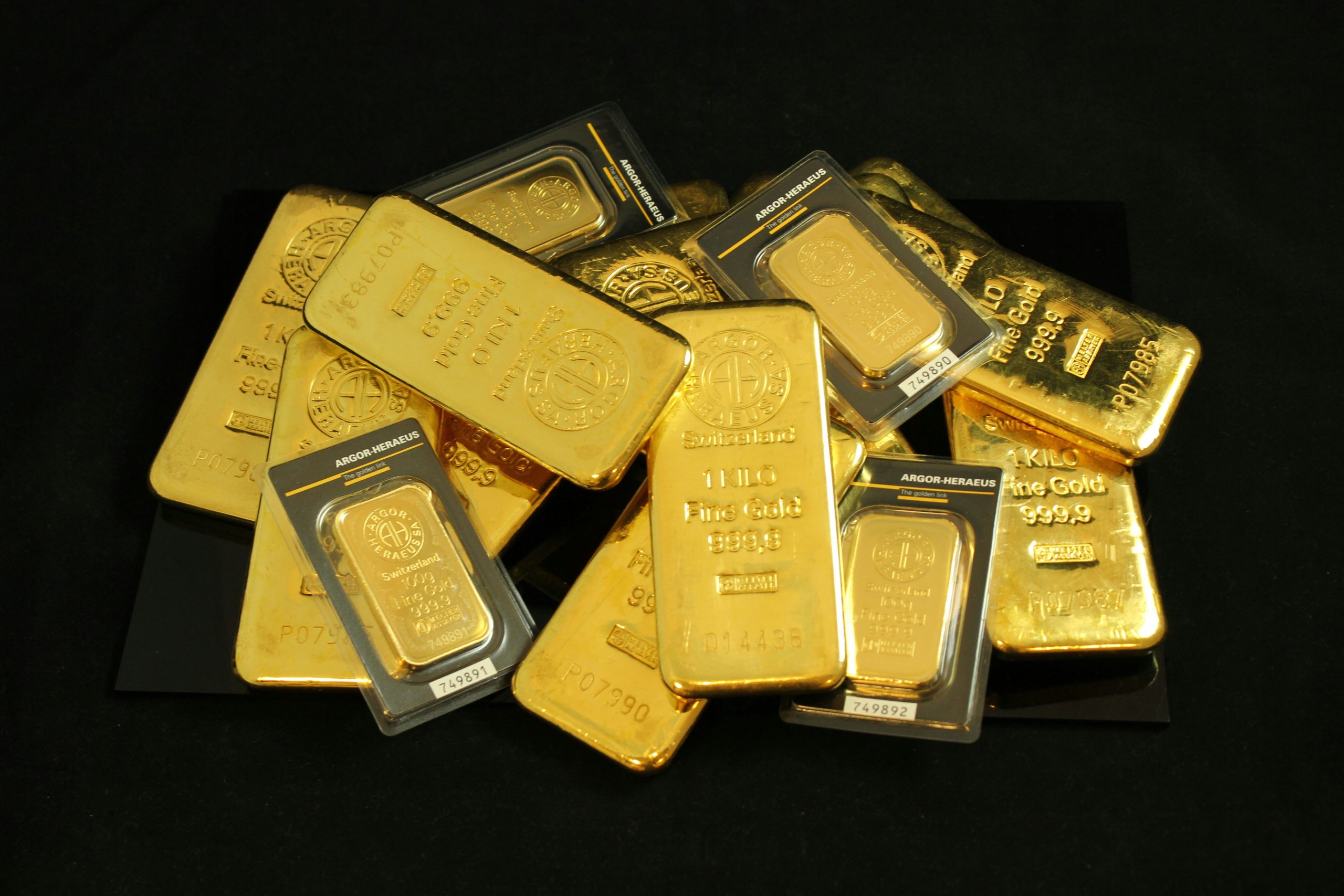

Gold has long been regarded as a symbol of wealth and a safe haven for investors, but in an era marked by rapid technological advancements, volatile markets, and shifting economic policies, many are asking: is gold still the reliable asset it once was? Understanding gold’s role in today’s economy requires examining its historical significance, current market behavior, and the factors influencing its value.
The Historical Significance of Gold
For thousands of years, gold has been treasured for its rarity, beauty, and durability. Ancient civilizations used gold as a medium of exchange, a store of value, and even a symbol of divine power. Over centuries, gold has maintained its status as a hedge against economic uncertainty, inflation, and geopolitical instability. Unlike paper currency, which can be printed at will, gold is finite, making it a tangible asset that investors turn to during turbulent times.
Gold as a Safe Haven
The concept of a “safe haven” refers to an investment that retains or increases its value during market downturns. Historically, gold has fulfilled this role exceptionally well. During the 2008 global financial crisis, for example, while stocks plummeted, gold prices surged, demonstrating its resilience. Similarly, geopolitical tensions and currency devaluations often trigger increased demand for gold, as investors seek security in a physical asset that cannot be easily manipulated.
Factors Affecting Gold in Today’s Economy
While gold has traditionally been a safe haven, its performance is influenced by several modern economic factors:
-
Interest Rates and Inflation
Gold does not generate interest or dividends, so when interest rates rise, investors may prefer assets that yield returns, causing short-term dips in gold demand. Conversely, during periods of high inflation, gold often becomes more attractive as a hedge, preserving purchasing power. -
Global Economic Uncertainty
Events like trade wars, pandemics, and financial crises can boost gold’s appeal. Uncertainty drives investors away from volatile stock markets and into gold as a store of value. -
Currency Fluctuations
Gold is priced in U.S. dollars on international markets, making it sensitive to currency movements. A weakening dollar typically increases gold prices, while a stronger dollar may reduce demand. -
Technological and Investment Alternatives
The rise of cryptocurrencies, digital assets, and alternative investments presents new options for investors seeking security or diversification. While these are not direct substitutes for gold’s historical reliability, they influence market dynamics and investor behavior.
Current Market Trends
In recent years, gold has experienced both highs and lows. In 2020, during the early stages of the COVID-19 pandemic, gold prices reached record levels, reflecting widespread economic uncertainty. As markets stabilized and central banks adjusted monetary policies, gold prices have seen corrections but remain relatively high compared to historical averages. Analysts suggest that while gold may not always deliver spectacular short-term gains, its long-term value preservation remains strong.
Risks and Considerations
Despite its reputation, investing in gold is not without risks. Prices can be volatile, influenced by speculative trading, global politics, and market sentiment. Additionally, physical gold requires storage and security measures, while gold-backed financial instruments carry counterparty risk. Investors must weigh these considerations against the potential benefits of diversification and risk mitigation.
The Role of Gold in a Diversified Portfolio
Financial experts often recommend including gold as part of a diversified investment strategy rather than relying on it exclusively. Gold can provide balance during equity market downturns, acting as a stabilizing force in portfolios heavily weighted toward stocks or bonds. Typically, holding 5–10% of a portfolio in gold is considered prudent, offering protection without overexposure.
The Future of Gold
Looking forward, gold is likely to continue its role as a safe haven, though the dynamics of its market may evolve. Increasing global economic interconnectivity, digital financial instruments, and environmental considerations in gold mining are all shaping how gold is valued. For investors, understanding these trends is essential for making informed decisions and maintaining the traditional benefits of gold in modern economic conditions.
Conclusion
So, is gold still a safe haven? The answer is nuanced. While it may not offer the high returns of tech stocks or cryptocurrencies, gold remains a reliable store of value, particularly in times of economic uncertainty and inflation. Its historical resilience, tangible nature, and ability to diversify risk make it an enduring choice for cautious investors. In today’s complex global economy, gold continues to play a critical role—not necessarily as the sole investment, but as a cornerstone of financial security.
