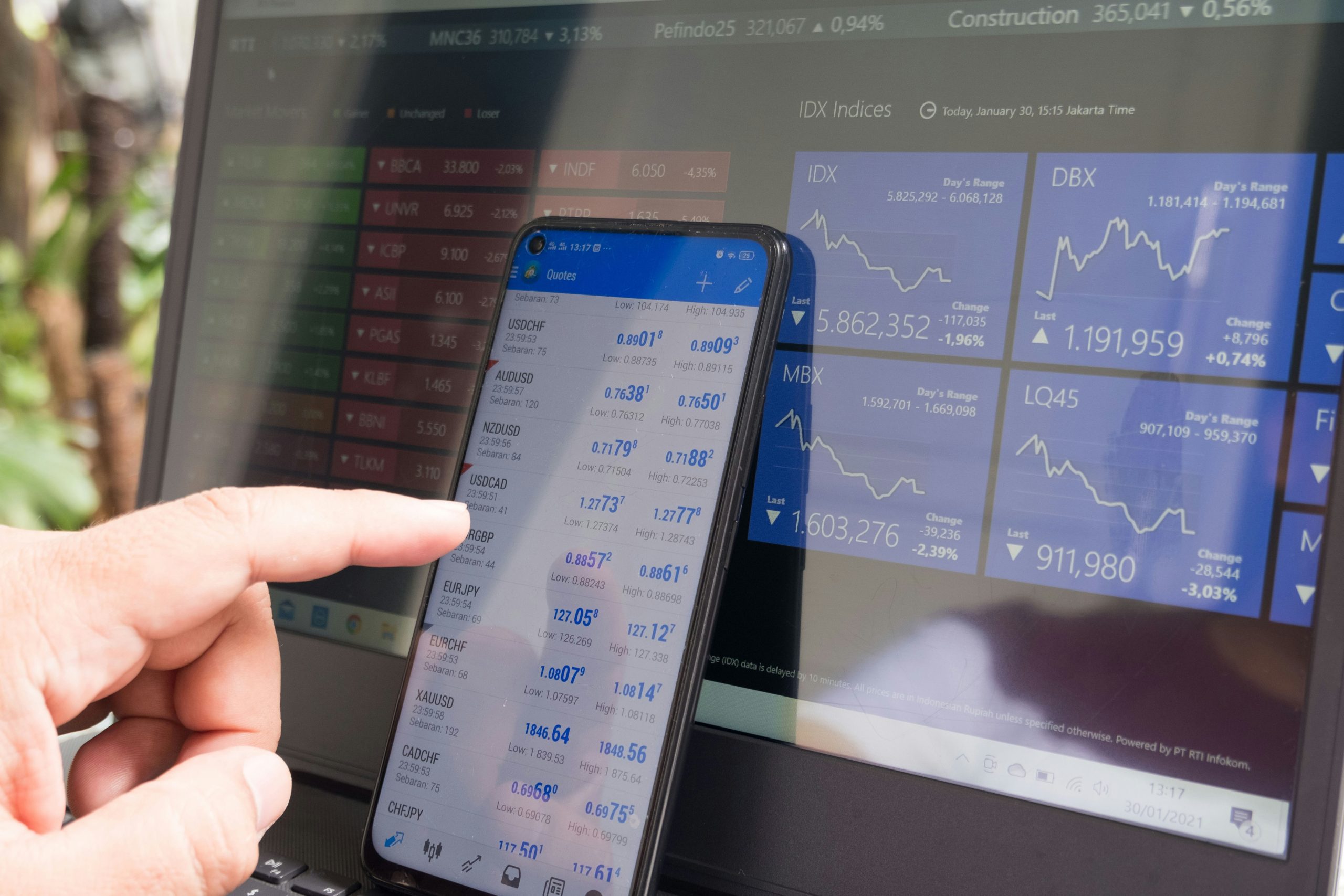

The foreign exchange (Forex) market is one of the largest and most liquid financial markets in the world. With daily trading volumes surpassing $6 trillion, Forex offers both immense opportunities and significant risks. For both novice and seasoned traders, understanding the delicate balance between risk and reward is critical—especially when navigating the inherent volatility of currency markets.
Understanding Forex Volatility
Volatility in Forex refers to the frequency and magnitude of price movements of a currency pair. High volatility implies rapid and significant price swings, while low volatility reflects relatively stable price behavior. Various factors influence volatility, including economic data releases, geopolitical events, central bank policies, and global market sentiment.
For instance, announcements such as interest rate decisions from the Federal Reserve or economic indicators like unemployment data can trigger sharp price movements. Similarly, unexpected geopolitical tensions or natural disasters can increase uncertainty, causing traders to react quickly.
The Risk-Reward Paradigm
At the heart of trading lies the risk-reward ratio. This concept helps traders evaluate the potential gain against the potential loss of a trade. A common rule of thumb is to aim for a risk-reward ratio of at least 1:2, meaning the expected reward should be at least twice the potential risk. This allows traders to remain profitable even if only half of their trades are successful.
However, achieving a favorable risk-reward balance is not always straightforward in volatile markets. Rapid price swings can either amplify profits or exacerbate losses. Therefore, careful planning and disciplined execution are essential.
Strategies for Managing Risk
-
Position Sizing: One of the most effective ways to manage risk is controlling the size of each trade relative to your account balance. Avoid risking more than 1-2% of your capital on a single trade. This protects your account from large drawdowns during volatile periods.
-
Stop-Loss Orders: A stop-loss order automatically closes a position when the market moves against you by a predetermined amount. Setting a stop-loss protects traders from unexpected sharp movements, preserving capital for future opportunities.
-
Diversification: Trading multiple currency pairs or combining Forex with other asset classes can reduce exposure to a single market. Diversification helps mitigate risk, especially during periods of extreme volatility in one specific currency.
-
Hedging: Advanced traders often use hedging strategies to offset potential losses. For example, taking opposite positions in correlated currency pairs can balance gains and losses when the market moves unpredictably.
Strategies for Capturing Reward
While risk management is crucial, traders must also focus on strategies to capture potential rewards:
-
Trend Following: Identifying strong market trends and aligning trades accordingly can enhance the likelihood of profitable outcomes. Technical indicators like moving averages and trend lines can help detect persistent market directions.
-
Breakout Trading: Volatile markets often present opportunities when prices break significant support or resistance levels. Breakout trading aims to capitalize on these strong movements, potentially yielding high returns if timed correctly.
-
News Trading: Market-moving news can create short-term volatility, offering traders opportunities to profit. However, this requires a deep understanding of market reactions and rapid execution to avoid losses from sudden reversals.
The Psychological Component
Trading in volatile markets is not only a test of strategy but also of psychology. Fear and greed can distort decision-making, leading to premature exits or overly risky trades. Successful traders develop emotional discipline, sticking to their risk-reward plan regardless of market turbulence.
Journaling trades, reviewing performance regularly, and adhering to pre-defined trading rules can help maintain objectivity. Over time, this builds confidence and resilience, both essential traits for navigating Forex volatility.
Leveraging Technology
Modern trading platforms offer tools that can enhance risk-reward management. Features like real-time price alerts, automated trading systems, and advanced charting software allow traders to respond quickly to changing market conditions. Using technology effectively reduces emotional bias and ensures consistent execution of trading strategies.
Conclusion
The Forex market is inherently volatile, presenting both substantial opportunities and considerable risks. Navigating this environment requires a careful balance between protecting capital and pursuing profitable trades. By understanding volatility, applying sound risk management techniques, and executing disciplined trading strategies, traders can optimize their risk-reward outcomes.
Ultimately, success in Forex trading is not about avoiding risk entirely but managing it intelligently. A well-calibrated approach allows traders to capitalize on market movements while safeguarding their investments, turning the challenge of volatility into an opportunity for growth.
